Showing posts with label "mountain rose herbs". Show all posts

5.30.2010

Healing, The Way Nature Intended!

Happy Sunday all!

So last week, I said I was going to talk about the benefits of reservatrol for the skin. But I'm actually going to push that to next week's blog.  This week, I want to give something back.  I've always found folk remedies to be fascinating.  How did people back in the day figure out that a certain herb would help to heal a wound, or help with cramps, or cure a toothache?  I wish that I had learned more of these from my grandparents and great-grandparents when they were still around.  But I've learned through research, and personal trial & error, some of the ways we can use herbs and oils for healing, and that's what I'm discussing today. 
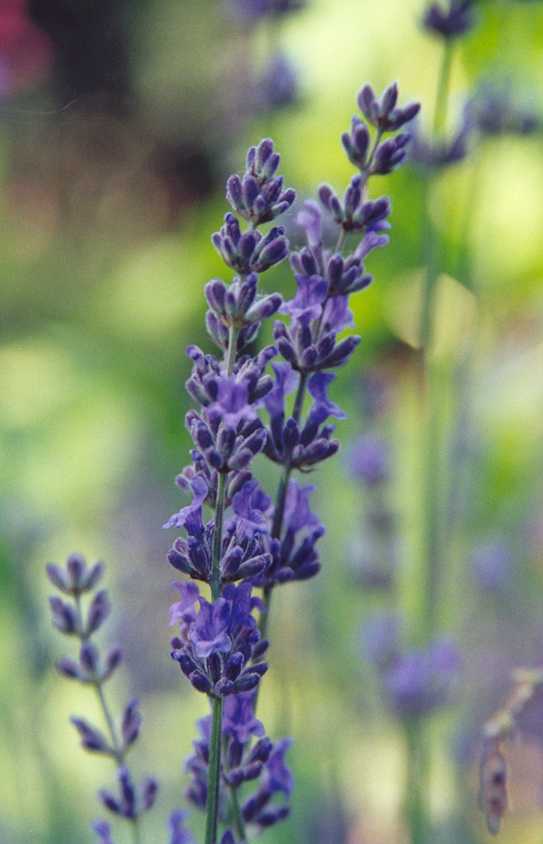
Lavender oil has so many uses, therapeutically speaking.  It's known for helping to calm us during periods of stress and anxiety, and is also known to help with depression.  It is also very useful as a bug repellent, and great for burns.  Not only will it help take the sting out of the burn, but lavender oil is a natural antiseptic/antibiotic, so it can help to prevent infection at the burn site as well. Many older French women keep a bottle of lavender oil in their kitchens for this very reason.  Additionally, lavender is one of the few essential oils that is safe to use "neat" on the skin, or without diluting. 

If you're looking to detox from a night out on the town in smoky bars, detox from stress, or just clear out your system, grapefruit oil is the way to go.  Whether it's pink or white grapefruit oil, it's great to help with muscle fatigue, and mental exhaustion.  It's tonic qualities make it perfect as part of any detox plan. One word of caution: grapefruit essential oil is highly concentrated, and thus, should always be diluted in a carrier oil for topical use.  You can also use this in an oil burner; this is a great way to reap the benefits if you're needing more of a mental vs physical detox.  Dispersing the scent of this oil by burning it will leave you feeling refreshed and restored.

Ginger has long been used for its medicinal properties for everything from nausea to colds & rheumatism.  Many cultures have used this remedy for hundreds, if not thousands, of years, because its application is so diverse.  For example, in Senegal (West Africa), tribal women will make belts of ginger to arouse their partners sexual interest ;)!  Ginger oil is most prized in the West for helping nausea.  This is why, if you have a stomach flu, you are often advised to drink ginger ale, as it will calm your stomach.  If you're just nauseous, however, you can use it easily as an inhalation.  Uncap the bottle, put it directly under your nose, and inhale deeply.  Do that for 2-3 breaths, and you should start to feel the nausea subside.  DO NOT use ginger oil neat; ginger, along with other spice oils, can be very irritating to the skin.  Always mix with a carrier oil, and then test a small area on your skin.  Some people, especially those with sensitive skin, may still not be able to use the oil topically. 

A great source for all of the oils mentioned here, as well as a plethora of others, is Mountain Rose Herbs .  Their quality is fabulous and I would recommend them to anyone.

I hope you've enjoyed learning a few ways to heal yourself with nature.  Next week, I'll walk about the benefits of reservatrol in skin care, as promised.  

Have a wonderful Memorial Day weekend everyone!  

Natural Blessings, 
Candace 

5.23.2010

What's the Deal with Virgin Coconut Oil?


Happy Sunday, all!  First, I apologize for no blog last week; technology attacked - 'nuf said.  But, without further delay, let's discuss the main differences between regular coconut oil & virgin coconut oil.

You see it in blogs, your friends tell you how great it is, & everybody's using it.  So you go to your local natural foods store to pick up some coconut oil for all of its touted uses.  But when you get there, you notice there is coconut oil and VIRGIN coconut oil, and why is it more expensive?  Okay, but what is the difference REALLY? Read on.

Regular coconut oil is refined, which means that the coconuts are broken into pieces and the coconut flesh is allowed to dry, Once dried, the flesh is hydraulically pressed at around 130 degrees to extract the coconut oil. The resulting oil is then passed through a filter press to produce the finished material, which then goes through a further process of refining, bleaching and deodorizing.

Virgin coconut oil is raw, virgin and unrefined.  To make virgin coconut oil, fresh, whole coconuts have the shell removed, then the flesh is milled to fine shreds and dried at a temperature not to exceed 100 degrees for about 2 1/2 hours. This helps in the evaporation of excess water which is prevalent in the flesh, but does not completely dry it out.  Once dried, the coconut is passed through a cold process oil press where the oil is separated from the coconut at a controlled temperature of less than 100 degrees.

The cold process extraction allows the oil to retain many of its benefits that are normally stripped from the oil during a standard refining process.  This is the most "true" form of coconut oil available.  While both oils have their applications, I normally opt to use for virgin coconut oil in my products, heating it only to the point of melting (coconut oil solidifies at room temperature). 

The great thing about this oil is you can use it straight, right out of the jar!  Virgin coconut oil has a light coconut scent, and can be very good for the hair, skin, and nails.  If you are like me & have fine, thin hair, you will likely find this oil a little heavy for your hair.  I love the smell, but with thin hair it's a little too much.  It makes a great treatment for hands & feet though.  This is an oil, so allow time for absorption before trying to walk around... no skating down the halls!  It is very mild, and thus, suitable for those with inflamed or sensitive skin.

You can buy virgin coconut oil at most health food stores, such as Whole Foods.  There are also many reputable online distributors, such as Mountain Rose Herbs.

I hope you have found this article useful.  Next week I'll be discussing the benefits of reservatrol for the skin.  Have a fabulous week, and be sure to let me know if there are subjects you would like to see me write an article about!

Natural Blessings,
Candace

5.09.2010

Which Oils Should I Use?


Happy Sunday everyone!  

I apologize for how late I'm making this post. I cut my finger earlier in the day and I'm having a hard time typing. LOL

I was inspired recently while watching a friend's YouTube video to make a blog about the different types of carrier oils you can use when making your own essential oil blends and body products, and the benefits of each.  Here, I will discuss a few of the more popular options that are relatively easy to find at most health food stores and online stores such as Mountain Rose Herbs .  

Grapeseed oil Grapeseed oil is my all-time favorite.  It's light, with a fresh scent, and is very good for people with sensitive skin (such as myself!) as it is naturally non-allergenic.  This oil can go rancid (read = spoiled) quickly, so it's best to use this in at least a partial mix with another carrier oil to extend the shelf life of your product, or make your product in small amounts that you can quickly use.   It has a mild green tint to it, a silky smooth texture, and great absorption rate, so it won't leave you feeling oily or slick. Made from the skin of grapes, it is full of powerful antioxidants which help to fight cancer-causing free radicals we come in contact with on a daily basis.  It also contains alpha-hydroxy acid, which helps to prevent the appearance of fine lines and wrinkles, and is useful in helping to fade stretch marks. 

Apricot Kernel Oil Apricot kernel oil is another fabulous oil to use in blends.  It's ideal for people with sensitive and/or mature skin. The more golden the oil, the higher quality it tends to be.  I think it has a light, somewhat fruity odor (not strong, just a hint).  The apricot tree is the member of the rose family originating from Central and East Asia. The fruit, rich in vitamins is used to produce the pleasant smelling Apricot Kernel Oil. Apricot Kernel Oil is very mild natural oil, often used in baby products because of its gentle nature. Since it easily penetrates the skin, it's a good oil for mature, dry or irritated skin. The excellent softening & moisturizing properties make it great for the face, hands and hair.  It is also quite beneficial in soothing burns.

Sweet Almond Oil This is, hands down, one of the most widely used carrier oils today, due to its adaptability, neutral yet somewhat nutty scent, shelf life, and affordability.  It is great for all skin types, is best known for its ability to soften, soothe, and re-condition the skin due to its high content of fatty acids. With this said, it can be abit oily.  Normally, it is almost clear with a slight yellow tint.  This makes a perfect all-purpose carrier oil.  Almond oil application is the best therapy for conditioning the skin and reviving its natural glow. It is also known to improve the complexion and give a younger look to the person to whom this oil is applied.

Jojoba Oil This oil is the closest in chemical composition to the oils the human body products, and thus has the best absorption rate for use in body products.  Jojoba oil helps promote healing of the skin in many ways. It has antimicrobial properties, which means it actually discourages the growth of some bacterial and fungal microbes that attack the skin.  It's easy to find, very affordable, and extremely versatile.  Jojoba oil is actually not an oil at all, but rather a liquid plant wax!  This is good, because it acts as a natural barrier between the skin and environmental forces.  It also makes a great scalp cleanser ;)!

Olive oil Olive oil has been used for centuries in many cultures as nature's beauty cure-all.  It's wonderfully hydrating for the skin, and has many applications.   It should have a nice, bold aroma, and the color can range from a golden brown to almost green (generally found in extra virgin oils).  "Extra virgin" simply means it is the result of a single, simple pressing; it is considered the highest quality olive oil.  It is a great aid in preventing hair loss as well: Massage the scalp with olive oil every evening for eight days. Let it work overnight and wash it out in the morning. To help build strong fingernails & soften cuticles, soak your nails each night in a mixture of 3 parts lukewarm olive oil to 1 part freshly-squeezed lemon juice. Put on cloth gloves and let the oil penetrate overnight. Your nails will gradually become more resistant to breaking and chipping. 

This is not meant to be a complete list, just an overview.  I hope everyone has enjoyed learning about the differences, and hopefully this will help you decide which oils to use when making your own blends.  Visit again next Sunday to learn the difference between coconut oil and virgin/extra virgin coconut oil. Until then, Natural Blessings to all!

Candace
RedSunflower Designs

DDNYSJEV5N6T